


Reelo is a token launchpad on Robinhood Chain. Every token is an ERC-20 whose rules are checked by the token contract itself on every transfer. Tokens trade on a bonding curve until it raises its graduation target, then on a Uniswap v4 pool. Your wallet signs every transaction, and Reelo never holds keys.
Network: Robinhood Chain (chain 4663).
Rules live in the token. They are fixed at creation and keep applying after graduation.
Supply: Chosen at launch, at least 2,000,000 tokens, 18 decimals.
Costs: A creation fee, currently 0.001 ETH.
Self-custody: Transactions are assembled on your device; nothing moves until your wallet approves.
The form has four steps and ends in a single transaction to the token factory. That transaction creates the coin, stores its rule and lists it on the bonding curve.
1. Coin details
Name, ticker and supply (2,000,000 tokens or more).
2. Choose a rule
Any one of the six rules listed below. This form sets a single rule per coin.
3. Set the values
Numbers such as the wallet cap or the cooldown. They are stored in the coin's contract and stay fixed.
4. Sign
One transaction from your wallet, including the creation fee. Once it confirms, the coin appears on the Coins page, read directly from the factory.
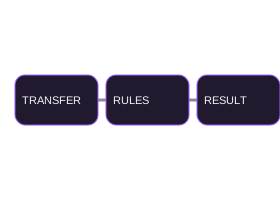
Six rules. The coin’s contract checks whichever one it carries on each trade and send.
Wallet Cap
Limits the share of supply any single wallet may hold
Cooldown
Makes a wallet wait a set number of seconds between its sells or sends
Sell Limit
Limits the share of supply a single sell or send can move
Early-Buy Fee
Adds a fee to buys made in the opening seconds of trading
Blocklist
Bars chosen wallets from buying, selling or sending
Allowlist
Lets only approved wallets buy or send
Buys (tokens leaving the bonding curve or the Uniswap pool) check the buyer: blocklist, allowlist and max per wallet.
Sells (tokens going into the curve or the pool) check the seller: blocklist, cooldown and anti-dump.
Wallet-to-wallet transfers check the blocklist and allowlist on both wallets, the receiver's wallet cap, the sender's cooldown and the anti-dump limit.
The rules and their values are locked when the coin is created. The contract can carry more than one rule per coin.
Wallet lists. The blocklist and allowlist are the two rules whose contents change: the coin's creator adds or removes wallets from the coin's page, many in one signature, and anyone can check a wallet there. An allowlist coin starts with an empty list, so no wallet can buy it until its creator approves some, the creator's own wallet included.
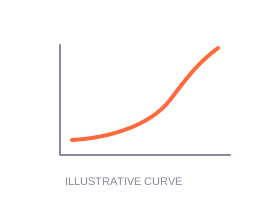
Every token starts on a bonding curve. The price starts at 0.000001 ETH and rises by 0.00000000001 ETH for each token sold. Holders can sell back to the curve until the token graduates.
When the curve holds its graduation target (currently 10 ETH), buys close and anyone can call graduate. Graduation opens a Uniswap v4 pool at the curve's last price with all the ETH raised, sends the full-range liquidity position to the dead address, which makes it permanent, and burns whatever was not sold.
After graduation the pool is the market and the curve is retired. The token's rules keep applying to trades on the pool.
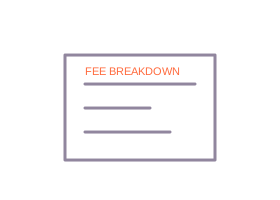
1% trading fee on every bonding-curve buy and sell, sent to the protocol treasury.
Early-buy fee (optional rule): up to 20% added to buys during the opening seconds of trading, also paid to the treasury.
Creation fee: currently 0.001 ETH, paid when the token is created.
Once graduated: swaps on the Uniswap v4 pool pay the pool's 1% fee, which accrues to the locked liquidity position.
On-chain
Trust Assumptions